
KS3 –KS4
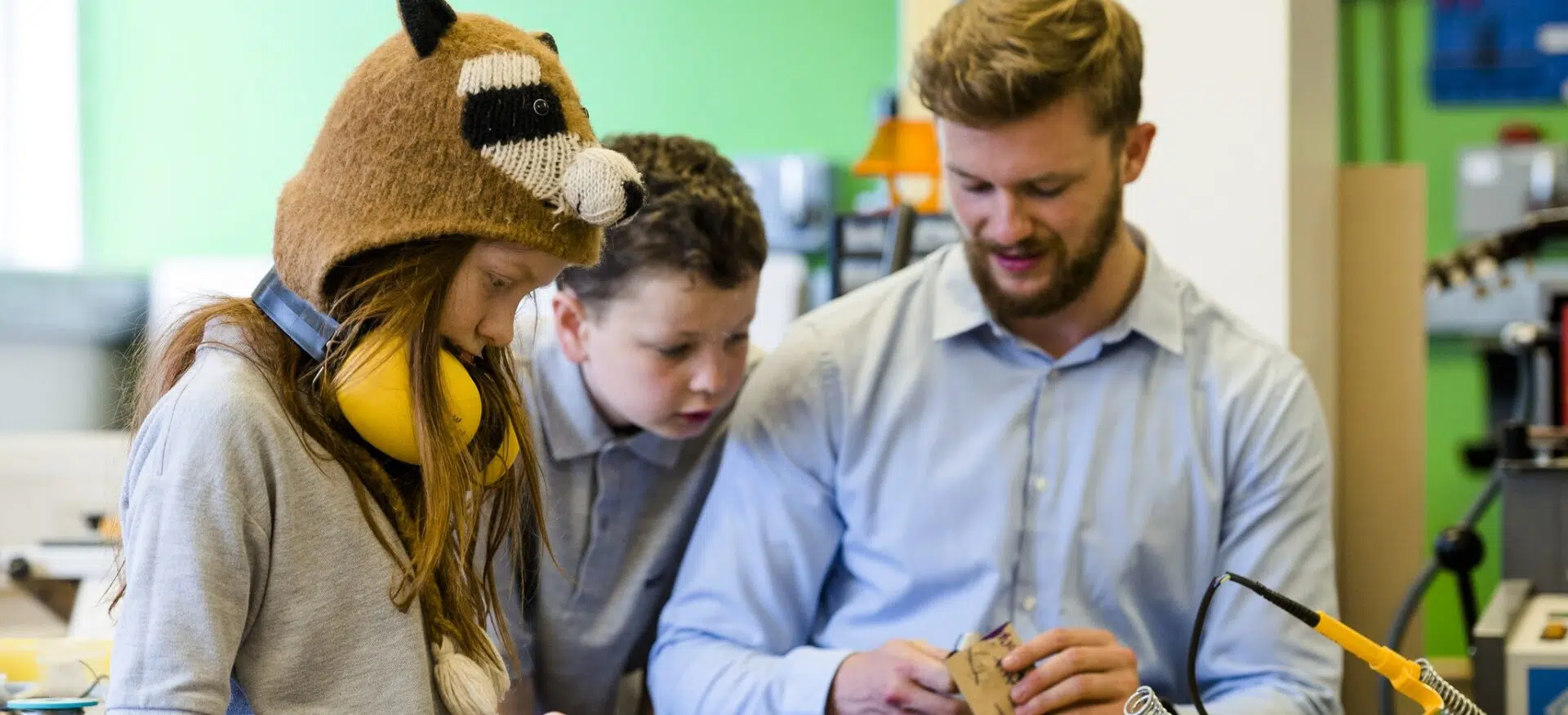
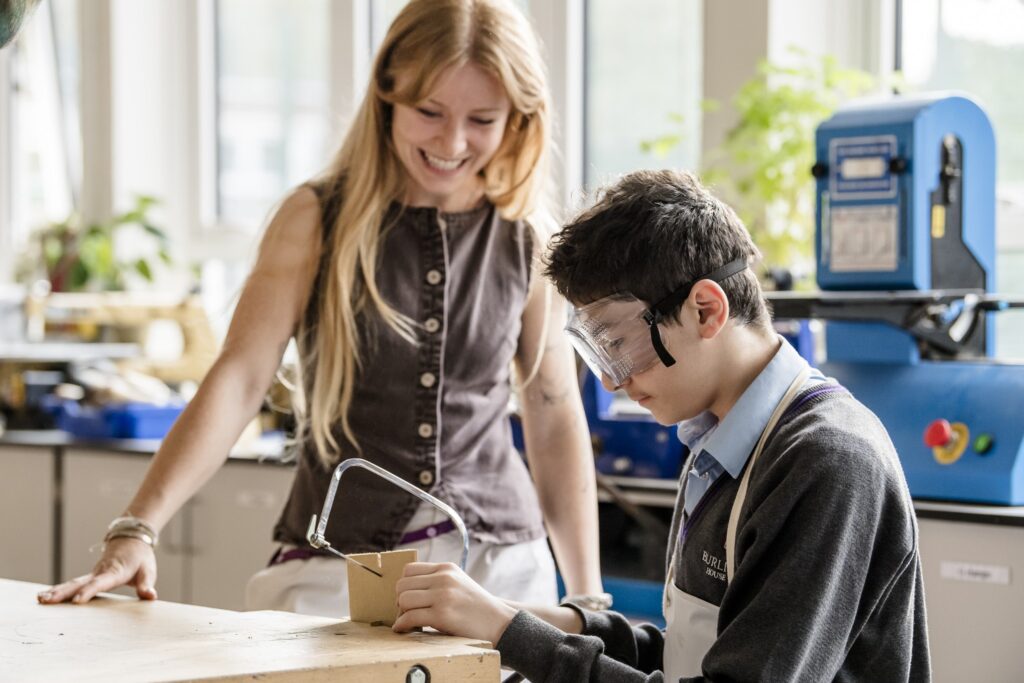
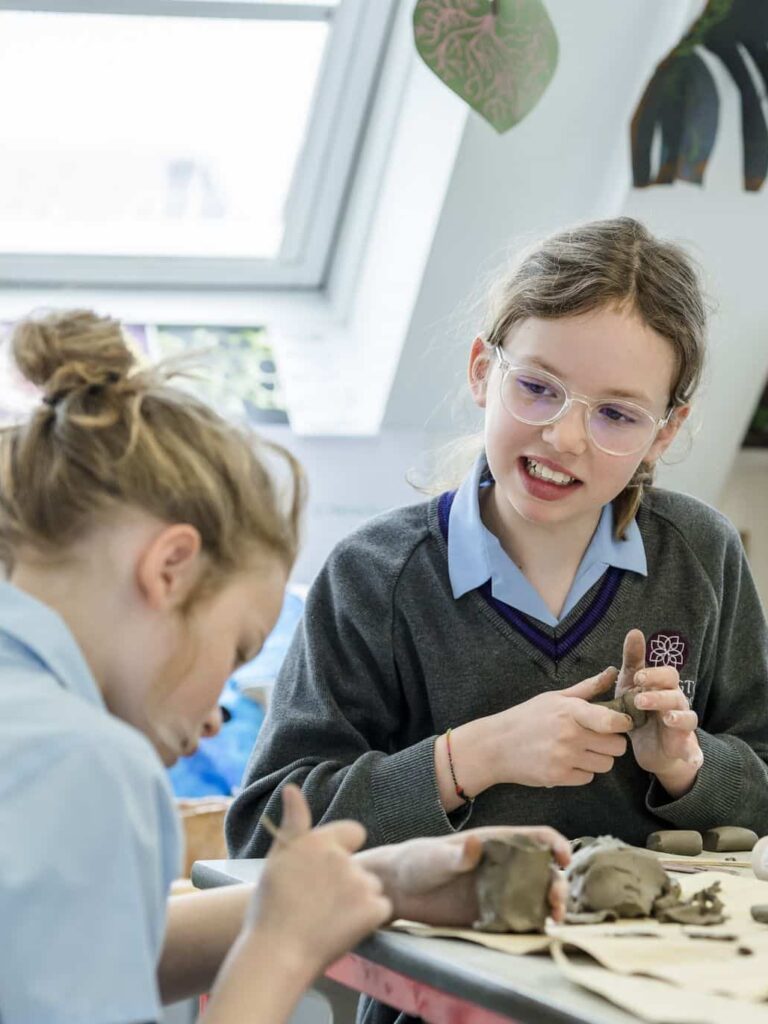
3D Design in our specialist school setting offers a powerful way to engage students through creativity, problem-solving, and practical learning. It combines elements of art, engineering, and technology, allowing learners to design, model, and produce three-dimensional objects using both traditional and digital methods. At its core, 3D Design encourages students to think spatially and visually. They learn how to take an idea from concept to creation, developing skills such as sketching, prototyping, and refining designs.
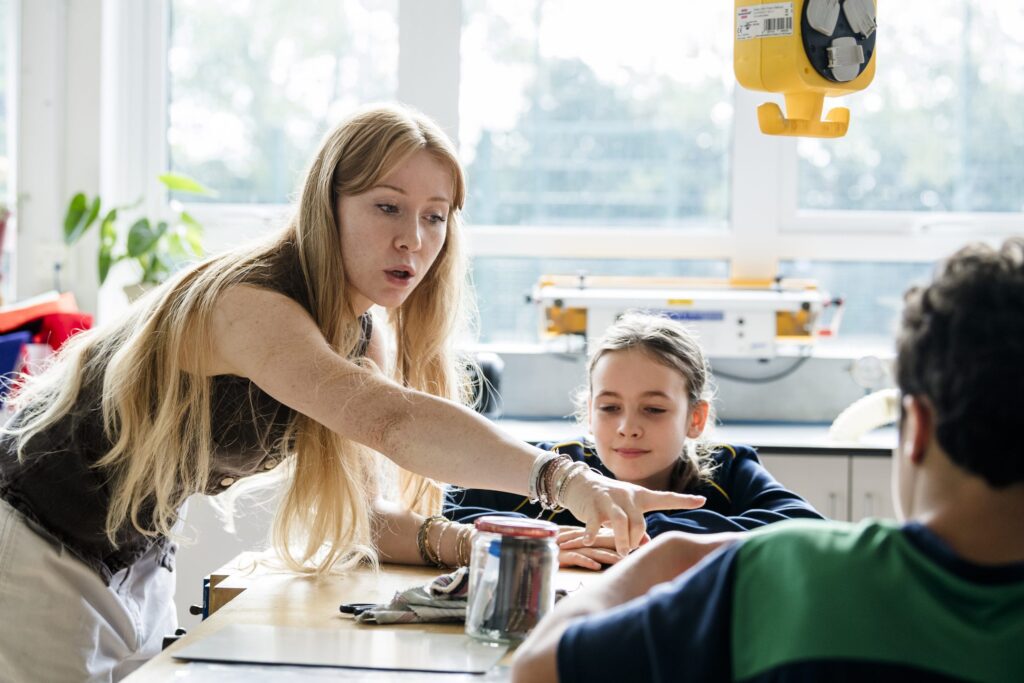
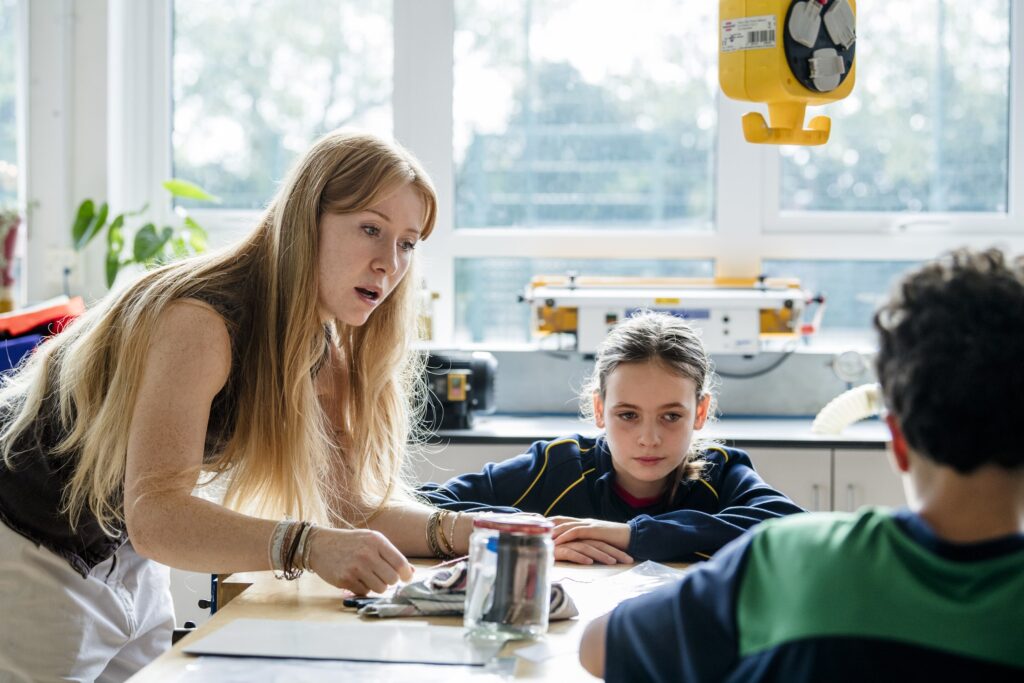
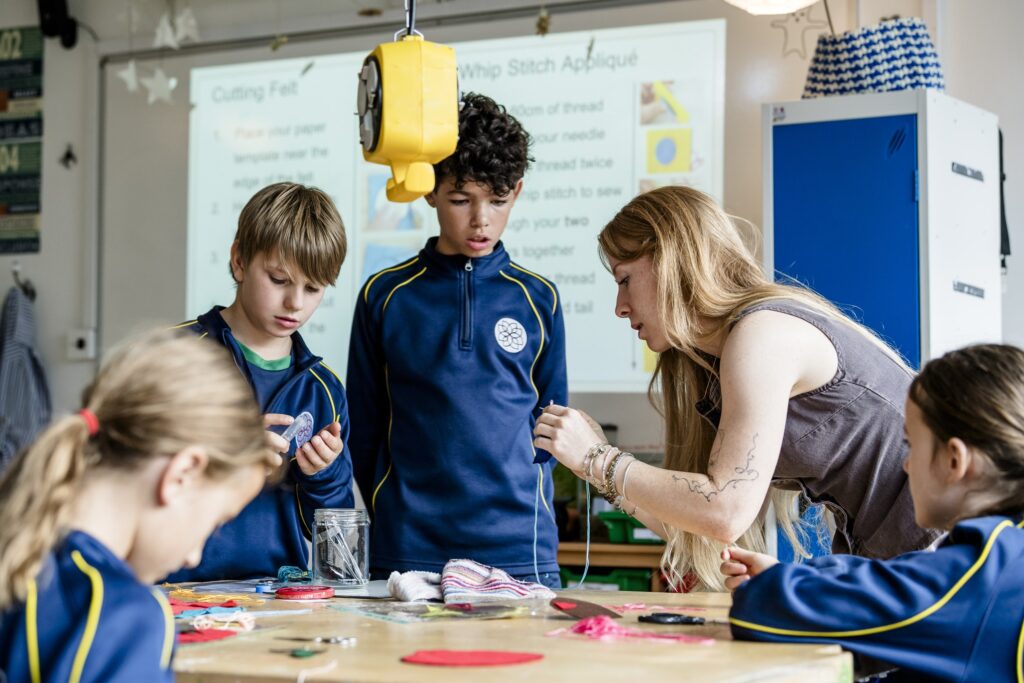
3D Design can be adapted to meet diverse learning needs. Lessons focus on clear, structured processes—such as planning, making, and evaluating—which help students build confidence and independence. 3D design is a highly engaging and inclusive way to support children’s learning. This is an inspiring subject that will encourage all pupils of all ages to consider a wide range of approaches to expressing themselves through different materials, media and techniques.
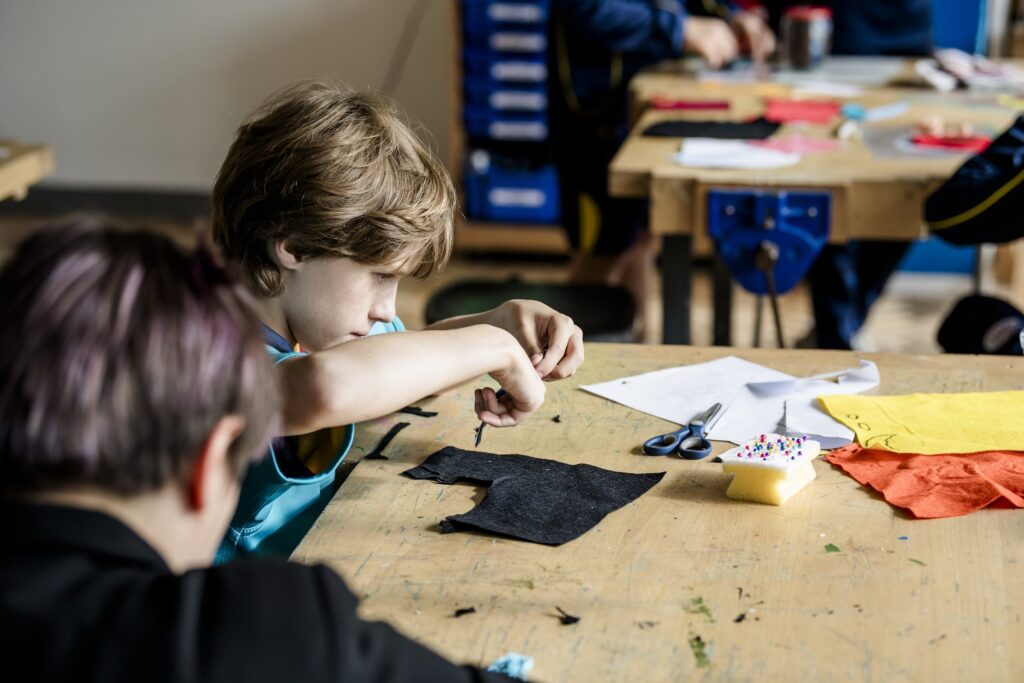
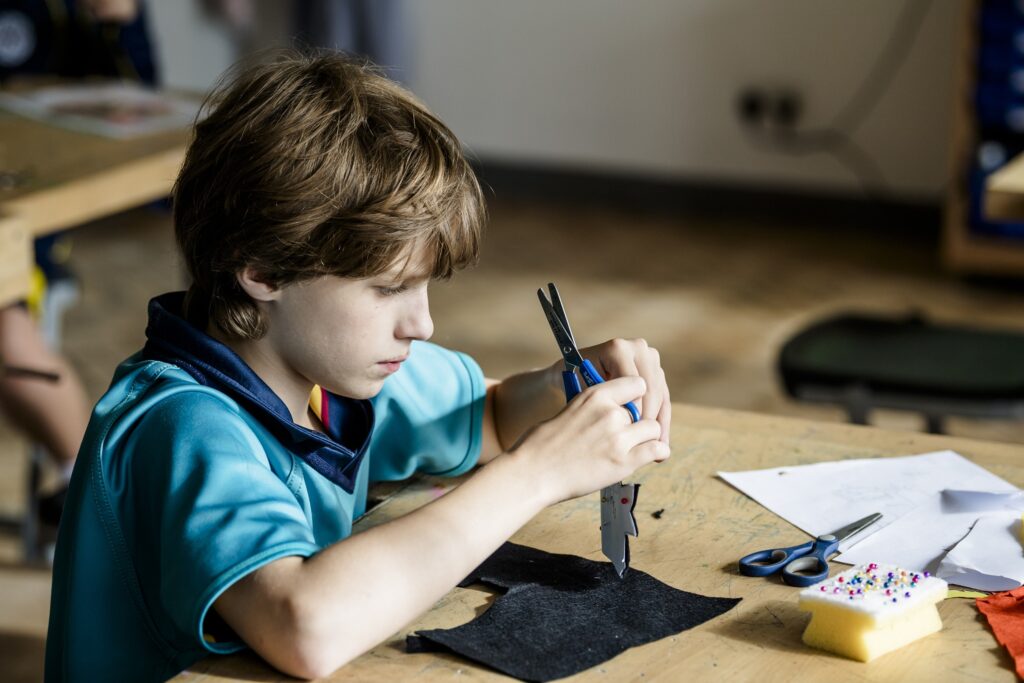
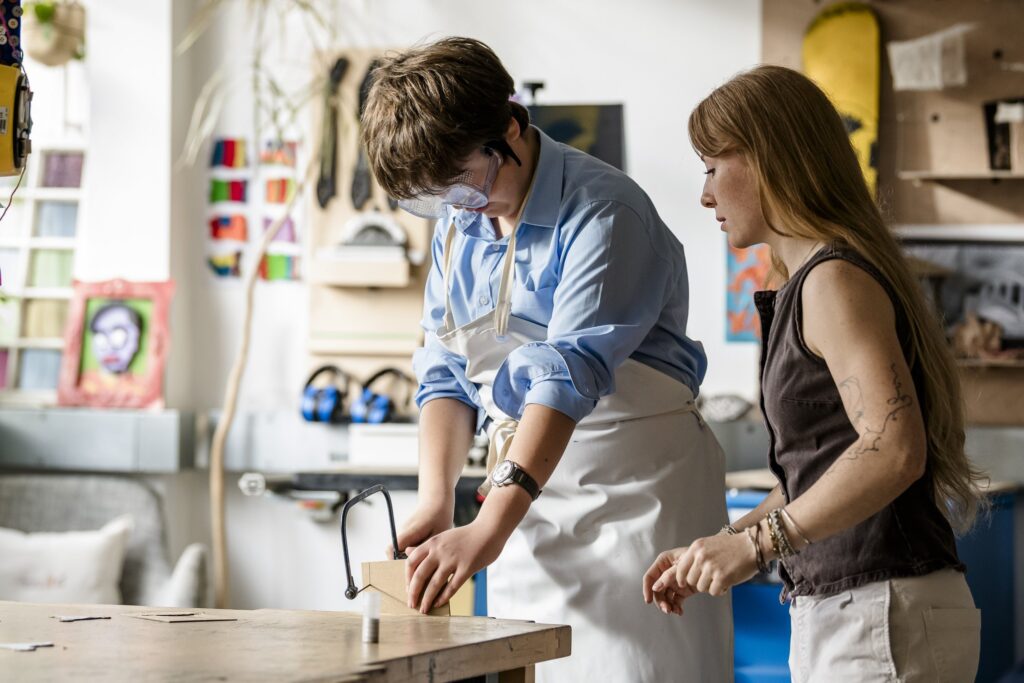
Our fully equipped workshop includes a vacuum former and oven, belt sander, pillar drill, sewing machines, kiln, laser cutter, 3D printer, fret saws and all hand tools.
The GCSE enables learners to explore and express ideas through functional or sculptural 3D forms. It promotes creative thinking and technical skill development using materials such as clay, wood, metal, and plastics. Students research historical and contemporary design contexts and use modelling, construction, and digital tools to generate imaginative and purposeful outcomes. The course fosters spatial awareness, innovation, and problem-solving, providing a solid foundation for progression to A Level 3D Design or related design disciplines including furniture design, jewellery design, textiles and ceramics
Assessment Structure
Component 01: Portfolio (non-exam assessment)
- Worth 60% of total GCSE.
- Internally set and assessed; externally moderated.
- Includes a sustained project and other supporting work.
- Must demonstrate all four assessment objectives:
- AO1: Develop ideas with contextual awareness.
- AO2: Refine through experimentation with materials/processes.
- AO3: Record ideas and intentions through drawing, notes or models.
- AO4: Present a final 3D outcome with personal meaning.
Component 02: Externally Set Task
- Worth 40% of total GCSE.
- Paper released in January of the examination year.
- Preparatory period followed by 10 hours of supervised time.
- Students produce a final piece supported by planning and research.
- All assessment objectives must be addressed.
- Internally marked and externally moderated.
Explore the school


Open Days
To see how our school could support your child, come and meet us at an open day, or explore our Sixth Form to see where the journey can lead.