
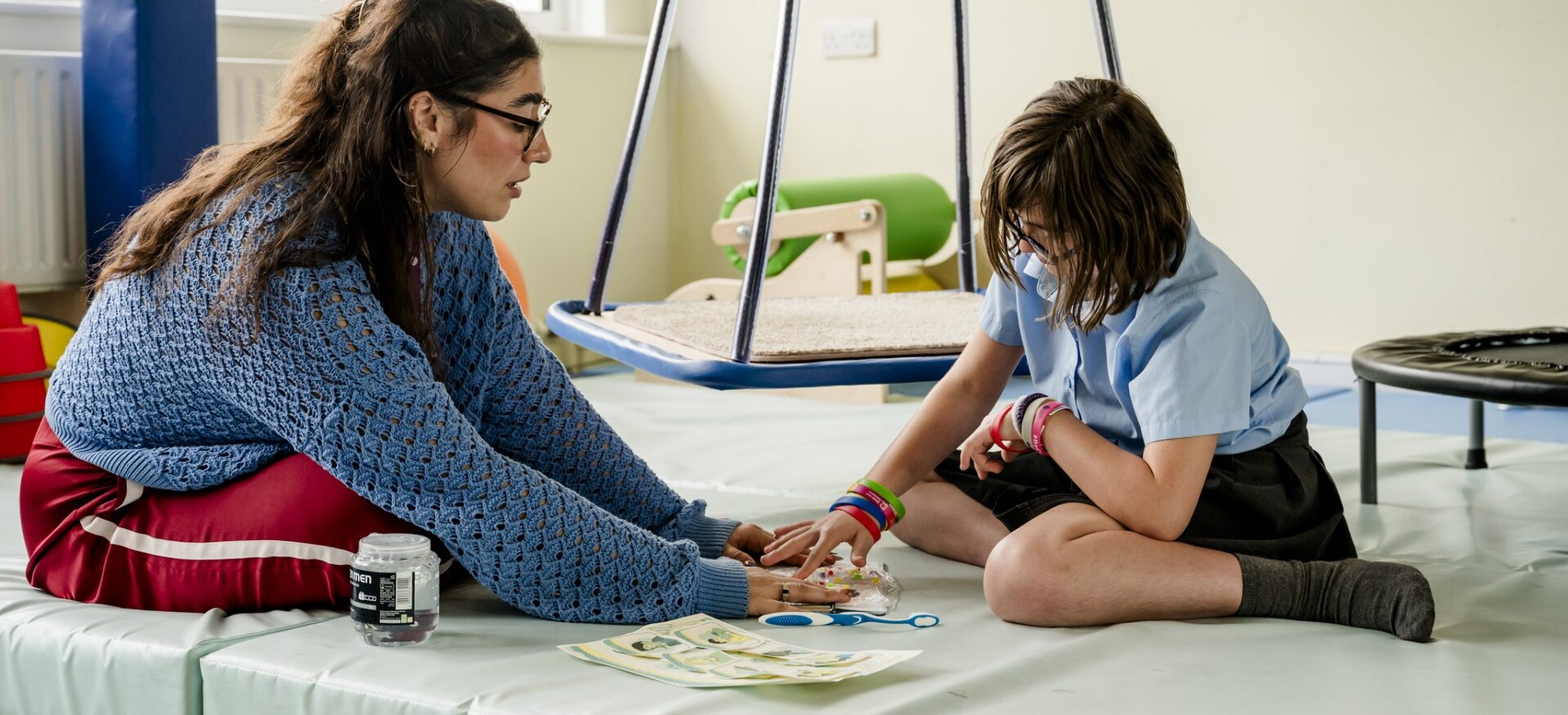
At Burlington House School, Occupational Therapy is an integral part of our educational provision. Occupational therapy focuses on supporting engagement in daily activities which underpins learning, emotional wellbeing and relationships, and many of our pupils require structured, specialist support to develop these skills successfully.
Our registered Occupational Therapists work as part of the multidisciplinary team to ensure regulation and personal organisation is supported throughout the school day, not just within therapy sessions. We follow a graduated model of provision, offering universal, targeted and specialist support so that intervention is proportionate, responsive and meaningful.

Assessment and Provision
All pupils complete an Occupational therapy assessment on entry to identify strengths and areas of need. Assessment may explore:
- Sensory regulation
- Gross motor and coordination,
- Motor planning and bilateral coordination
- Fine motor skills and Manual dexterity
- Visual perception and visual motor skills
- Attention and concentration
- Following instructions and sequencing
Confidence and self esteem
Findings, alongside EHCP recommendations, teacher input and professional judgement, inform an individualised therapy plan. Progress is reviewed regularly to ensure intervention remains focused and effective.
The Occupational therapist focuses on working on underlying difficulties as well as developing specific skills and coping strategies striving to ensure the pupil is able to participate and develop independence within the school setting. Through client centeredness, and working closely with the team around the child, the child will achieve an extensive experience in maximising their occupational performance in activities of daily living.
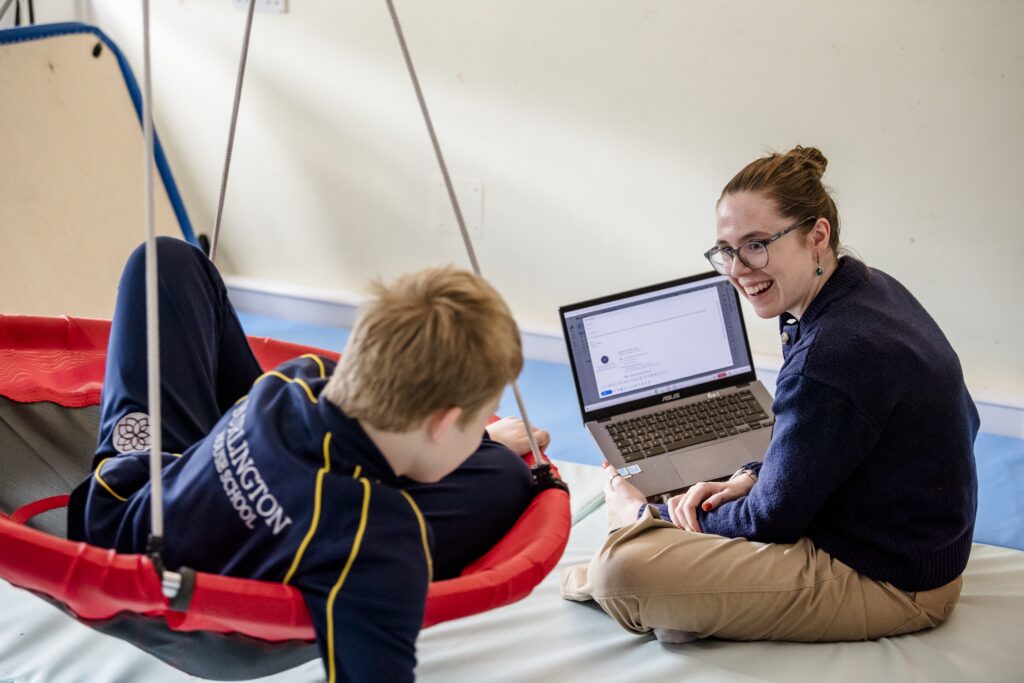
Support is determined by level of need. Neuro-affirming practice is embedded across the school through classroom strategies, adapted teaching approaches and close collaboration with staff. Therapists also contribute to wider school initiatives that promote regulation, independence in activities of daily living and personal organisation, such as supported games clubs, quiet lunch and structured enrichment activities. These opportunities allow pupils to practise the skills they have learnt in therapy sessions in real-life contexts, supported by adults who understand their needs.
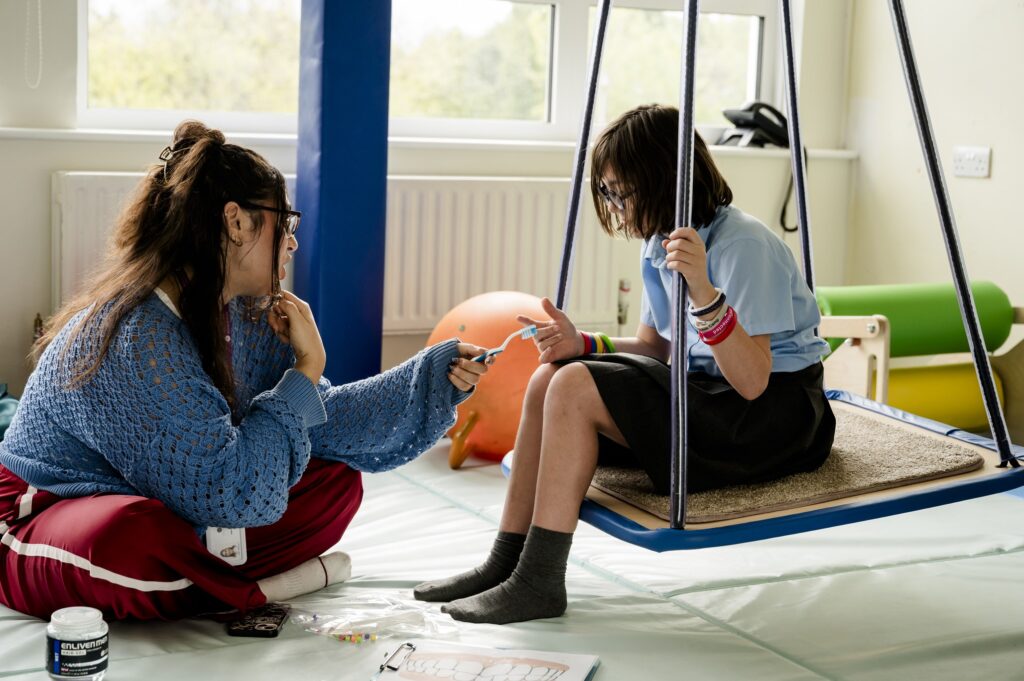
Where additional input is required, either targeted small group interventions are provided or individual sessions. In Years 3 – 8, timetabled Occupational therapy sessions form part of the curriculum and focus on developing motor coordination, regulation and targeted skills. In Years 9–14, pupils may access both targeted group work and direct 1:1 therapy, depending on their profile of need. Group interventions support independence within skills needed for engagement within the school and the community. While individual sessions provide specialist input for specific occupational therapy identified needs identified through assessment.
Packages of support may therefore include weekly 1:1 sessions, structured group intervention and ongoing monitoring. Provision is reviewed termly to ensure it remains purposeful and impactful.



Areas of Support
Occupational Therapy may support pupils in the following areas:
Movement & Coordination
- Gross motor skills
- Balance and coordination
- Motor planning and sequencing
- Bilateral integration
Fine Motor & Classroom Skills
- Handwriting
- Manual dexterity (e.g. tying laces, tool use)
- Visual motor integration
- Visual perceptual skills
Sensory Processing & Regulation
- Sensory processing differences
- Interoception (body awareness)
- Attention and concentration
- Self-regulation
Independence & Confidence
- Following instructions
- Task sequencing
- Organisation skills
- Emotional regulation
- Self-esteem and resilience
Across all areas, our aim is to develop confident and independent pupils who are able to participate in activities within the school, home and the community.
The Occupational Therapy team is available in school five days a week and the pupil’s allocated therapist has termly phone calls with the parents or caregivers. The effectiveness of provision at all levels is reviewed termly. Pupils receiving therapy are provided with updated targets and reports.
For interventions to be effective, collaborative working between the therapist, staff and parents is essential. Parents/caregivers will, at times, need to carry over intervention at home, as therapists will not be able to help pupils overcome their participation challenges in isolation.
If you would like further information about our Occupational Therapy service, please do not hesitate to contact us. We would be happy to share our Therapy Core Offer.
Explore the school

Book a visit
To see how our support could help your child, come and meet our team at an open morning.