Young people with Specific Learning Differences (SpLDs) such as dyslexia and dyscalculia benefit greatly from practical, hands-on learning. In my work at Burlington House School, enrichment activities and subjects such as food technology, cookery and life skills are not just optional add-ons – they are fundamental to helping pupils develop confidence and problem-solving skills, and play a central role in preparing them for independent lives beyond school.
Why practical learning matters for SpLD pupils
Pupils with SpLDs commonly experience challenges in core curriculum areas like English, maths and science. These subjects often rely heavily on traditional academic skills such as reading, writing, sequencing and working memory, with exams or essay based assignments for assessment. Students may struggle to ‘keep up’ with their neurotypical peers in these subjects; not because of a lack of intelligence, but because they have to use a lot more mental energy to engage with skills and ways of thinking that come naturally to others. Put simply, a child with SpLD may be putting in twice the effort, but not getting anywhere near the same results as their neurotypical classmates.
These difficulties can make core curriculum areas more daunting and frustrating, which has a knock-on effect for students’ confidence and motivation. In contrast, research into effective educational strategies for learners with SpLD highlights that activities which are interactive, pupil-centred and experiential often lead to higher levels of success and confidence than strictly text-based instruction. Practical learning environments allow pupils to engage in tasks using a more varied range of visual, tactile and kinaesthetic approaches. In these environments, we rely less on abstract concepts, and in turn see increased understanding and engagement from neurodiverse students.
In addition to being better-suited to a wider range of learning styles, these practical, hands-on subjects connect academic concepts to meaningful, real-world tasks, which helps students see the relevance of their lessons beyond assessments. While it can sometimes be difficult for students to understand how algebra, for example, will serve them in their life beyond school, skills and activities that foster independence have more concrete links to their future goals and ambitions.
Food tech: more than just cooking
As a food tech teacher, I see first-hand the range of skills that are honed in these more tactile subjects.
Independence and life skills
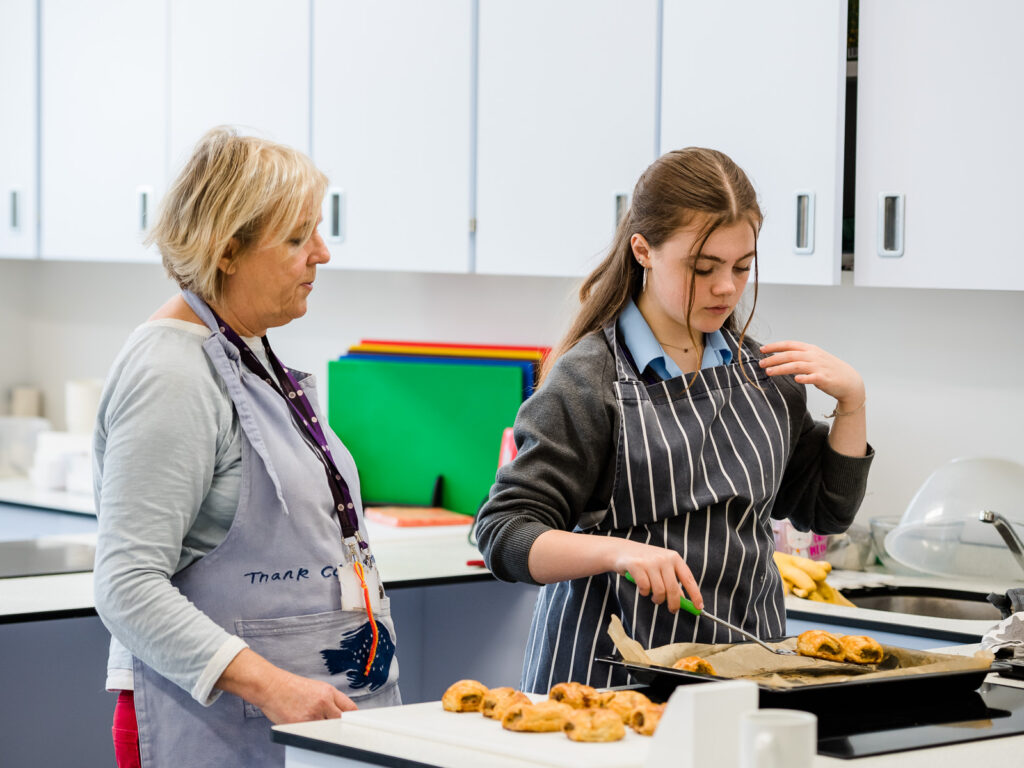
- In class, pupils learn practical skills such as measuring, mixing, chopping and using kitchen tools safely. They follow recipes step by step and take responsibility for cleaning up after cooking. These routines reinforce hygiene, safety and organisation.
- At home, these skills build confidence and independence. Pupils can prepare their own snacks or contribute to family meals. They develop responsibility through habits such as washing hands, clearing surfaces and tidying up. Importantly, they experience a genuine sense of pride and achievement when they can say, ‘I made that myself’.
Cognitive and functional skills
- During lessons, pupils practise sequencing every time they engage with a recipe or method. They read symbols, pictures or simplified written instructions and engage in practical problem-solving, such as deciding what to do if something spills or a mixture is too dry. Food preparation reinforces functional literacy and numeracy through reading food labels, weighing ingredients, measuring quantities and using timers.
- These experiences strengthen memory, organisation and planning far beyond the kitchen. These skills transfer directly to daily routines such as getting ready for school or managing homework.
Emotional and social development
- Success in a structured, sensory-rich task boosts self-esteem and can reduce anxiety. In lessons, giving and receiving polite feedback is modelled and practiced in this safe space.
- This work supports communication at home and in other contexts. Pupils are supported to express preferences and make choices, for example saying, “I like pasta but not spicy food,” which builds autonomy and confidence.
Sensory and physical development
- Food preparation is naturally multisensory. Activities engage smell, touch, taste, sound and sight. Pupils develop fine motor skills through grating, peeling, cutting, spooning and rolling, and gross motor skills through carrying trays or reaching for ingredients.
- At home, improved coordination and strength can support other daily tasks such as dressing or handwriting. Gradual exposure to different textures and smells can also help pupils manage sensory sensitivities in a supportive and structured way.
Social, communication and teamwork skills
- Food preparation requires communication and collaboration. In the classroom, pupils work in pairs or small groups, coordinating tasks, sharing roles and solving problems together. This reinforces communication, social understanding and teamwork, all of which are closely linked to future workplace success and positive social relationships.
Engagement, enjoyment and success
- Some pupils may have struggled in more conventional academic contexts. The tangible results of cookery, a finished dish that is shared, tasted and celebrated, provide an immediate sense of accomplishment. This is especially meaningful for pupils with SpLDs, as success in practical tasks offers a boost to self-esteem that traditional assessments may not always provide.
Preparing pupils for independent, future lives
The integration of food technology, practical lessons and life skills serves a larger purpose. It prepares pupils with SpLDs not only for academic examinations but for meaningful, independent lives.
When pupils learn to cook a balanced meal, work alongside peers on a practical task or explain what they have made, they are building competencies that extend far beyond the classroom. This approach supports the development of confidence, resilience and adaptability, helping young people grow into capable and independent adults.
Melody Carter (BSc (Hons), Level 3 BDA SpLD (OCR), Elkland Cert, OLM. Level 3 Diploma in Counselling Dyslexia) has been part of the team at Burlington House School for 11 years. Prior to this, she worked in advertising. A keen baker, Melody was involved in providing staff food for St George’s Hospital workers during the pandemic.